The government plans to deploy around 314,000 security personnel for the House of Representatives elections on March 5, including 130,000 temporary police personnel.
According to the Home Ministry, the force will comprise around 79,000 Nepali Army personnel, 72,000 from the Nepal Police, 33,000 from the Armed Police Force, and 130,000 temporary police to be hired for the elections. The numbers may be adjusted once the Election Commission finalises the total number of voters and polling stations across the country.
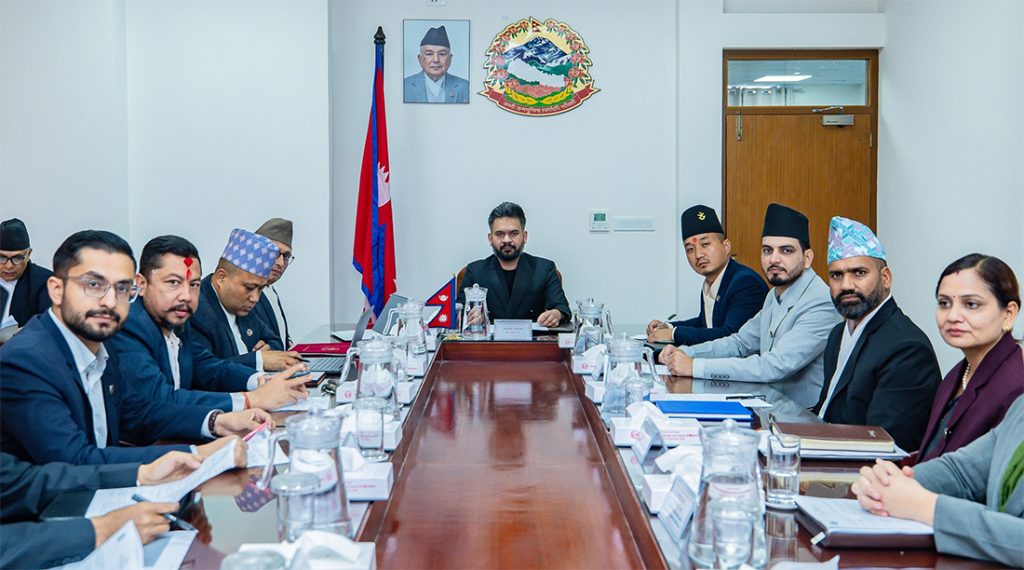
Home Ministry spokesperson Anand Kafle informed that the plan was developed based on learnings from the 2022 elections and evolving security challenges. On Sunday, the security committee approved the “Integrated Security Plan–2025,” deciding to deploy the Nepali Army, Nepal Police, Armed Police Force, National Investigation Department, and temporary police. Deployment of the army will require a recommendation from the National Security Council to the Cabinet and presidential approval.
The security personnel will be deployed starting November 26. The election security plan was developed by individual and joint teams from all four security agencies. On September 25, a central security committee formed a task force led by Kafle to consolidate the plan. Drafts from the army, police, armed police, and National Investigation Department were reviewed and approved by the committee on Sunday.
The plan highlights key security threats, including weapons and ammunition looted during the Gen Z protests, escaped prisoners, potential clashes between parties demanding House reinstatement and their opponents, and confrontations involving Gen Z supporters. It also accounts for past damage and unrest from the movement, including threats to political leaders and cadres.
In response to the unrest, the army, police, and armed police have carried out joint patrols nationwide over the past month. For the election, security forces will operate both jointly and individually, with areas classified as highly sensitive, sensitive, or general for deployment.
During the Gen Z protests in September, government, private, and public properties were damaged, and 14,043 detainees escaped from 28 prisons and juvenile correction facilities nationwide.
According to Home Minister Om Prakash Aryal of the inmates fleeing the prisons, 9,521 have returned to jails while 5,105 are still at large.