Bikram Sambat, the official calendar of Nepal
New Year’s Day on 14th April The Bikram Sambatis the official calendar of Nepal. This solar based calendar is also known as Vikrami calendar named after Vikramaditya, the great king of India. Thus, it is historically used in the Indian subcontinent and still used in some states of India as well. The year count of […]

New Year’s Day on 14th April
The Bikram Sambatis the official calendar of Nepal. This solar based calendar is also known as Vikrami calendar named after Vikramaditya, the great king of India. Thus, it is historically used in the Indian subcontinent and still used in some states of India as well.
The year count of the Bikram Sambat calendar is usually 57 years ahead of the Gregorian calendar, except during January to April, when it is ahead by 56 years.
Unlike the globally recognized Gregorian calendar, which marks the beginning of a new year on January 1st, Nepalese New Year typically falls in April, usually around the 13th or 14th day of the month. It is on 14th April this year.
The Nepali New Year falls on the first day of the month of Baisakh which is celebrated as “Naya Barsha”.
The Bikram Sambat calendar plays a vital role in shaping everyday life in Nepal because it functions as more than a method to measure time. The system establishes date times which people use to observe religious celebrations and conduct sacred ceremonies and special events that need proper timing. This helps farmers make their farming decisions while families depend on the system to organize their key family celebrations. The calendar system establishes common cultural identity ties through its connection to traditions, seasonal patterns, and social customs, which transform the Nepali New Year into a significant event that represents both continuity and traditional practices.
Historically, the celebration of Nepali New Year has been deeply ingrained in the social and religious foundation of Nepali society. It serves as a time for renewal, reflection, and celebration, symbolizing the transition from the old to the new and the hope for a prosperous year ahead.
Nepali New Year celebrations have evolved, incorporating elements from various cultural and religious traditions. Today, the festivities are marked by a blend of ancient rituals, colourful customs, and communal gatherings, showcasing the cultural diversity and unity of the Nepali people.
The Government of Nepal provides public holiday on this day, allowing people to fully immerse themselves in the festivities and cultural rituals. This further emphasizes the importance and widespread observance of the New Year across the country.
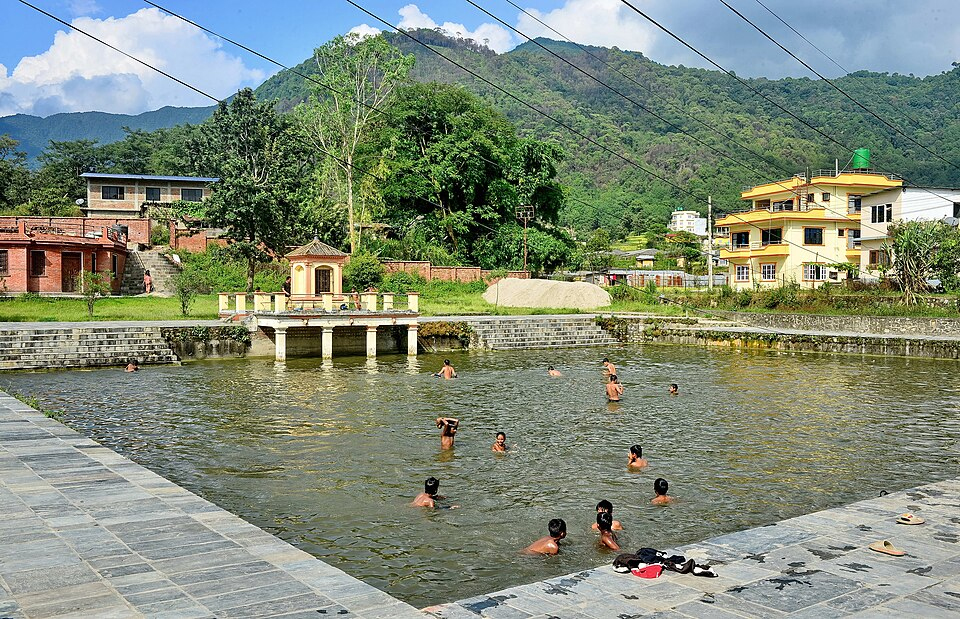
Sapnatirtha is a pilgrimage site located in Tokha Municipality in Kathmandu where an exclusive religious fair is held on the 1st day of Baishakh by Bikram Sambat.