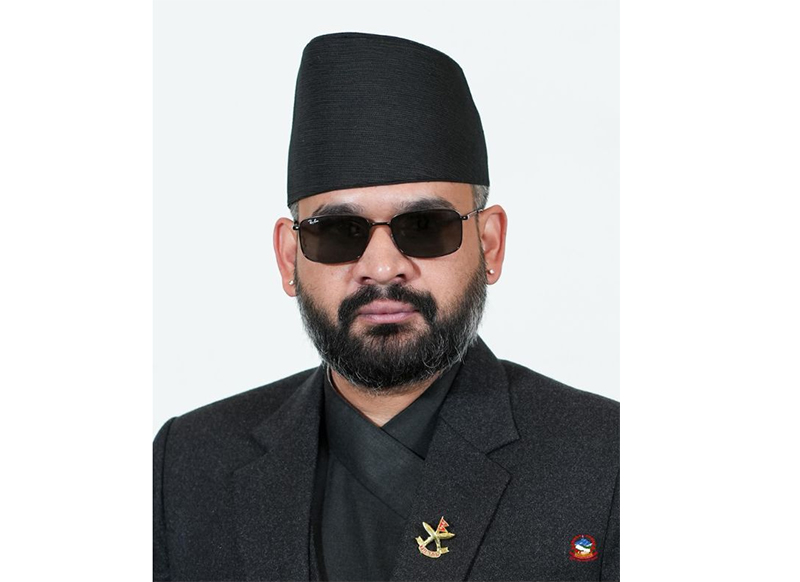
Sudhan Gurung: From DJ to Home Minister
Sudhan Gurung – who once declared, “No elections until Gen Z’s demands are met”- has hit the ground after being appointed as the Home Minister following his victory in the House of Representatives elections held on Falgun 21, 2082. Appointed on Friday, Chaitra 13 Gurung took swift action early Saturday morning by ordering the arrest […]
Sudhan Gurung – who once declared, “No elections until Gen Z’s demands are met”- has hit the ground after being appointed as the Home Minister following his victory in the House of Representatives elections held on Falgun 21, 2082. Appointed on Friday, Chaitra 13 Gurung took swift action early Saturday morning by ordering the arrest of UML Chairman KP Sharma Oli and former Home Minister Ramesh Lekhak.
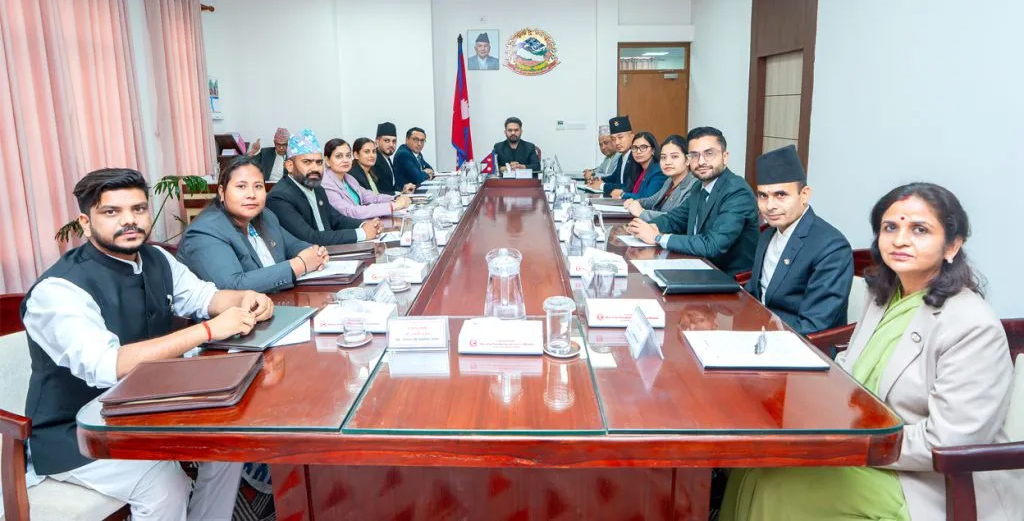
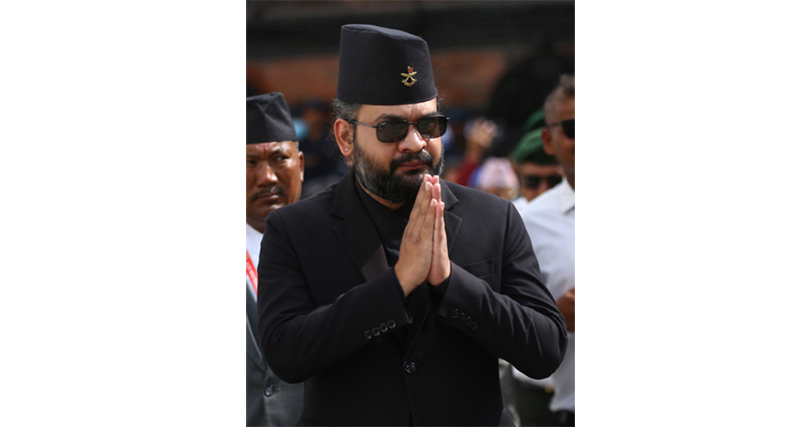
His swearing-in as the Home Minister took place at the President’s Residence in Maharajganj, where Prime Minister Balendra Shah (Balen) took his oath of office, followed immediately by his cabinet members. Gurung was sworn in as Nepal’s new Home Minister at 12:45 PM and assumed his post soon after that.
Immediately following the ceremony, he mobilized to take action against those in power during the “Gen Z Movement,” placing high-ranking police officials on high alert. This move sparked immediate protests by UML cadres across the country.
The Political Rise of a “Gen Z Leader”
Minister Gurung was elected from Gorkha Constituency No. 1 representing the Rastriya Swatantra Party (RSP), securing 29,896 votes. Active in every political development since the second day of the Gen Z Movement, September 9 2025, he has now secured an important position in the Balen cabinet.
Notably, it was Gurung who facilitated the entry of Balen Shah and his team into the RSP while Shah was still serving as the Mayor of Kathmandu Metropolitan City. On Poush 13, Balen and 26 others joined the party based on a seven-point agreement reached with RSP Chairman Rabi Lamichhane. Interestingly, Gurung himself was not among those 26 initial members, though he officially joined the RSP only when the time came to file election nominations.
At 38, Sudhan admits he is not technically a “Gen Z” himself, yet he branded himself as a youth candidate and is now working aggressively in his ministerial role. His journey has been unconventional: transitioning from a nightclub DJ to a social activist and now a powerful figure in the current government.
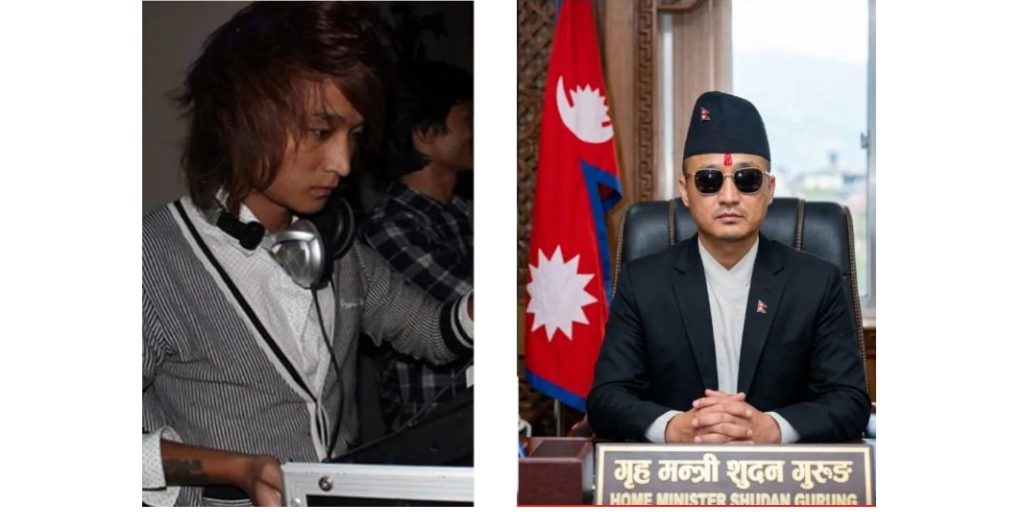
Emergence from the Gen Z Movement
Sudhan Gurung rose to prominence during the Gen Z Movement on September 8 and 9 (Bhadra 23-24), which erupted over demands for good governance, anti-corruption measures, and opposition to social media ban. As the movement searched for a face, Gurung suddenly emerged at the forefront, capturing the attention of both national and international media.
Post-movement, international media outlets predicted he would play a pivotal role in the new power equation. He was seen everywhere—from hospitals and morgues to the doorsteps of martyrs’ families—offering condolences and support.
He was deeply involved in the formation of the interim government, from proposing Sushila Karki as the caretaker Prime Minister to being highly active during the swearing-in ceremonies. He even went as far as challenging the government and threatening to remove PM Karki if Gen Z’s demands weren’t met. Throughout the election, he maintained his persona as the “Gen Z Leader.”
However, his rise was not without controversy. He faced serious allegations of “hijacking” the movement and was even accused of being Tibetan and not a Nepali citizen. Gurung fiercely defended his nationality, once stating in frustration: “I will stick my citizenship on the forehead of whoever says my credentials are fake.” he defense throug media.
The questions regarding his nationality often linked him to the “Free Tibet Movement,” a scrutiny that extended to other indigenous candidates, including RSP’s Tashi Lhanjom from Humla.
Sudhan’s social involvements
Born in 1987 (2044 BS) in the remote Chhum Nubri Rural Municipality of northern Gorkha, Gurung has earned the degree of A Level.
Before founding the organization “Hami Nepal” following the 2015 earthquake, Gurung had worked as a DJ and managed various nightclubs. It is said that his friendship with Balen Shah dates back to those days. Through “Hami Nepal,” he became a well-known figure in various social campaigns.
During the Gen Z Movement, he started by simply distributing water to protesters at Naya Baneshwor area. By the second day, he had evolved into a political force capable of intervening in national affairs. Today, he maintains that same momentum as he leads the Ministry of Home Affairs.
Hailing from a village so remote that residents must walk for days to reach administrative services, Sudhan Gurung is now shaking the very foundations of the country’s administration.