Remembering big earthquake of April 2015
By Purna N. Ranjitkar At the midday of 2015 April 25, a massive earthquake shook Nepal. The magnitude of the earthquake was of 7.8 Richter scale. The natural movement was also called Gorkha earthquake denoting that the epicentre was Barpak village of Gorkha district. The earthquake was felt throughout central and eastern Nepal, much of […]
By Purna N. Ranjitkar
At the midday of 2015 April 25, a massive earthquake shook Nepal. The magnitude of the earthquake was of 7.8 Richter scale. The natural movement was also called Gorkha earthquake denoting that the epicentre was Barpak village of Gorkha district.
The earthquake was felt throughout central and eastern Nepal, much of the Ganges River plain in northern India, and north-western Bangladesh, as well as in the southern parts of the Plateau of Tibet and western Bhutan.
An aftershock of the 6.7 magnitude took place on 26 April 2015 while hundreds of minor shocks were felt between those two major shocks. More than 500 moderate and minor shocks were after that.
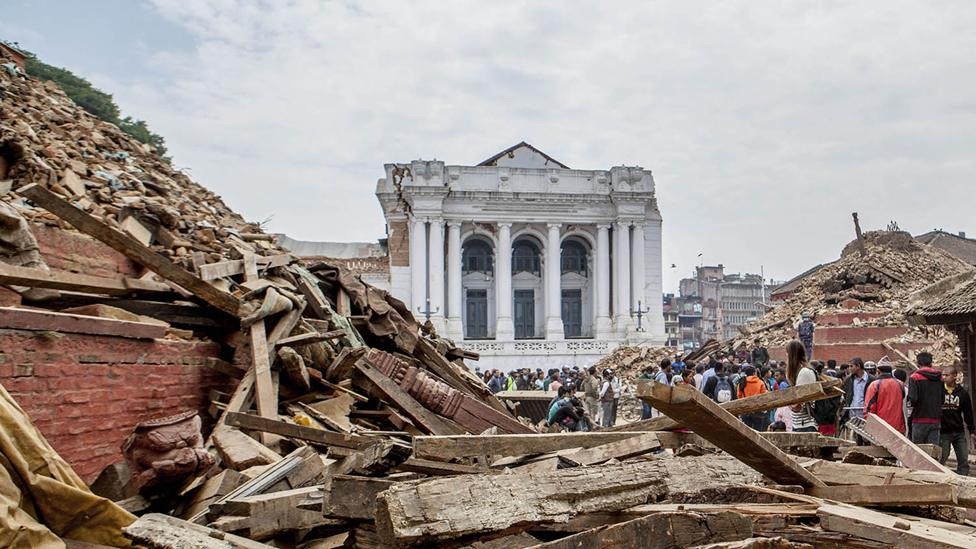
Gorkha, Sindhupalchok, Dolakha, Bhaktapur, Kathmandu,Lalitpurand eight other districts were most damaged in Nepal. About 9,000 people were killed, many thousands more were injured, and more than 600,000 structures in Kathmandu and other nearby towns were either damaged or destroyed.
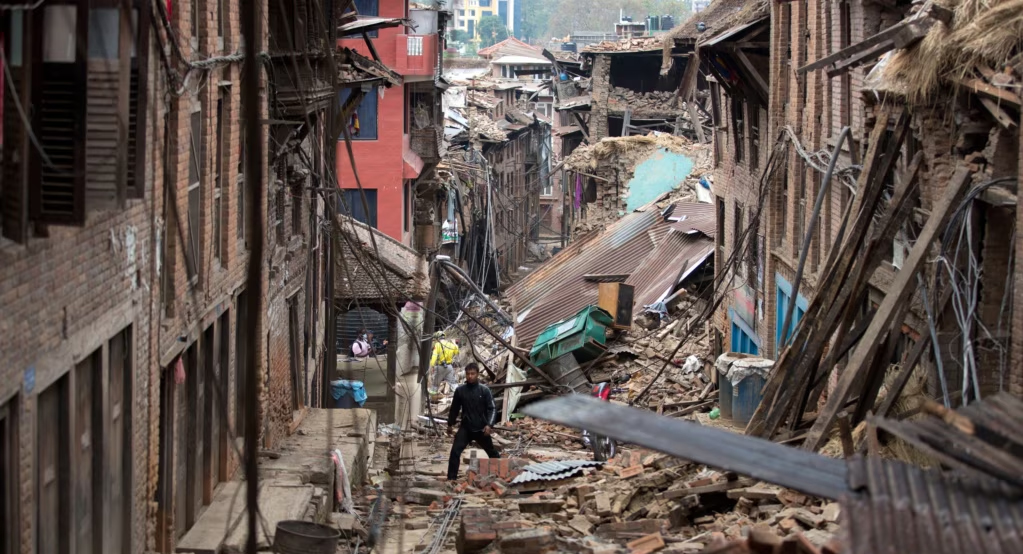
The earthquake produced landslides that devastated rural villages and some of the most densely populated parts of the city of Kathmandu. Initial damage estimates ranged from $5 billion to $10 billion. Inside Kathmandu, bricks and other debris from collapsed and partially collapsed buildings, which included parts of the famous Taleju Temple and the entire nine-story Dharahara Tower, filled the streets. The earthquake also triggered an avalanche on Mount Everest that killed at least 19 climbers and stranded hundreds more at Everest Base Camp and at camps higher up the mountain. Those at the high camps were soon airlifted to Base Camp, and all the climbers either hiked off the mountain or were flown out to other locations. Moreover, it was not a worst event to take maximum lives and damages as it was happened on a Saturday, so that school going children and office going workers were mostly safe at home or fields. Secondly, no hospital, no roads and no hydropower projects were damaged the earthquake. However, Dharahara on that Saturday was crowded with visitors and temple areas were also alike. So that more deaths and injured were found at such premises.
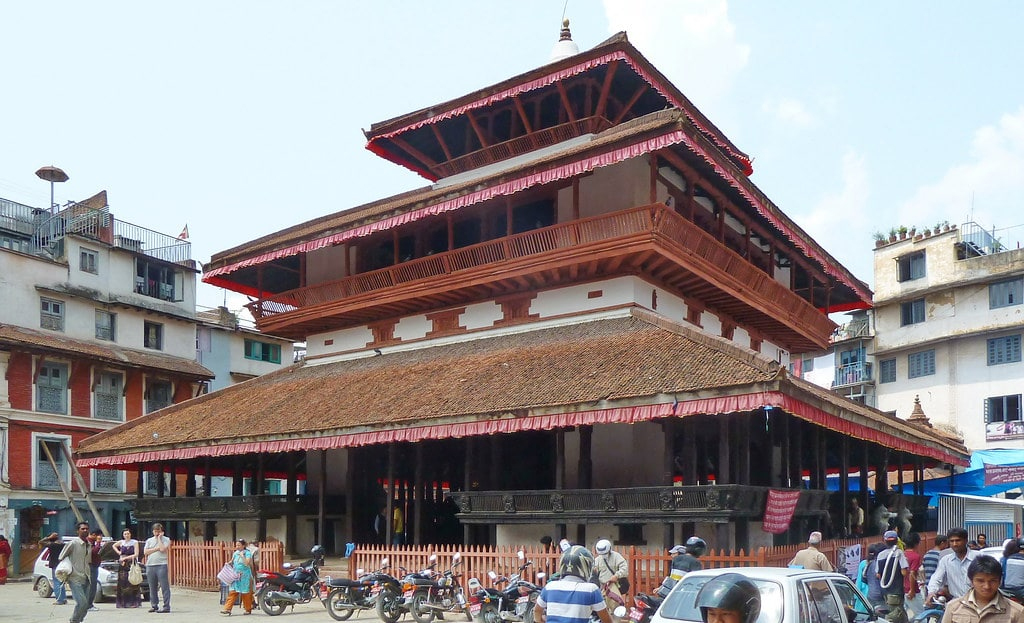
Reconstructed Kasthamandap, Kathmandu
After earthquake, people came out to streets and try to find shelter at open places. The shelter was taken for more than two weeks. The open places of the Kathmandu Valley were much congested to provide shelter to all as even good and big house dwellers were out in the streets to be safe from earthquake consequences.
By this time, new Dharahara in has been built just the side of the remaining of the collapsed one. Many temples of historical and cultural values have been rebuilt or repaired with internal funding and some with external assistance as well. Many Government office buildings damaged are retrofitted to stand again while there are some still waiting for rebuilding. Private houses of well to do people are rebuilt with traditional appearances but poor people could not build their residences even the local governments extended supports. However, some settlement get clusters of some houses built with new technologies. The earthquake resistance building designs for rural and urban areas are getting popular but the users see shortage of technical hands.
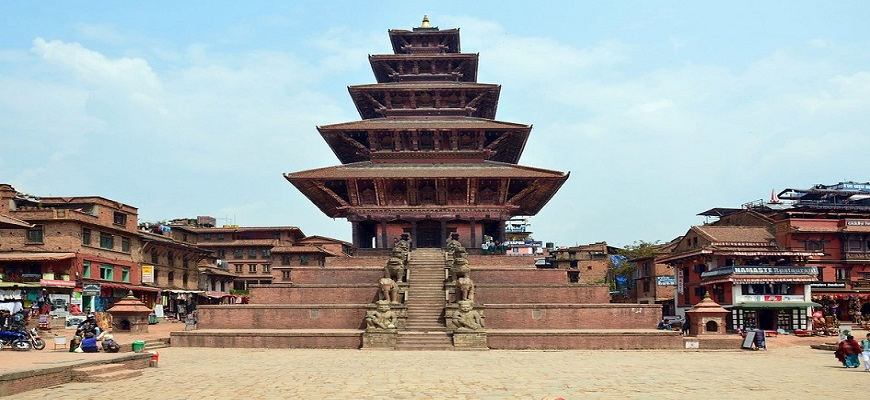
The Nyatapola Temple, Bhaktapur reconstructed after damaged the earthquake of 2015 with local resources and ingenious technology
The preparedness for such a big natural crisis was proved to be a little. Mainly open spaces were not enough as many open spaces have been used in other purposes. Similarly, food and medical services were experienced needed to be reviewed for enhancement for a better service delivery as per requirement. In the villages and cities far from Kathmandu were also poorly served. Thirdly, the victims suffered more due to delayed and unmanaged reconstructions aids. They had torn tarp as roof to remain safe in the rainy seasons. Fourthly, clearing of debris was not managed. That took too long time to manage while artefacts of religious and cultural values were abandoned and some were misplaced or lost. Fifthly, modality for reconstruction priority adopted was wrong, so that foreign aids were expected for reconstruction of temples and buildings which local expertise could do in traditional methodology at comparatively lower cost as well. Similarly, priority identification should be focused on roads, bridges, utility infrastructures, residences, temples, monasteries, and cultural and religious values.