The Center for Diplomacy and Development organised talk programme on “Prospects of Science Diplomacy in Nepal,” on 23rd May at Nepal Academy of Science and Technology auditorium. The event was aimed to bring together academics, diplomats, and former government officials to discuss how science and diplomacy can jointly contribute to national and global progress.
The event highlighted how exchange of scientific knowledge, technology, and innovation between nations could enhance both domestic development and global solidarity – particularly if guided by diplomatic cooperation. Participating experts and scientific personalities opined that Nepal must foster dialogue between scientists and diplomats, establish platforms for cross-border research cooperation, and invest in scientific education and policy frameworks to benefit from science diplomacy.
Mohan Krishna Shrestha, former Ambassador of Nepal to France from 2010 to 2014, chairing the event he said that science diplomacy holds enormous potential. Although developed countries have more resources, developing nations like Nepal are not short of talented individuals. “If developing countries reinforce mutual relations through science diplomacy, they can achieve far more beneficial outcomes for their people,” he stressed.
“Diplomacy can help science thrive in progressive directions, while scientific advancements can, in turn, facilitate smoother and more effective diplomacy,” he remarked, calling this synergy “a source of hope for humanity.”
Dr. Sunil Babu Shrestha, former Vice-Chancellor of the Nepal Academy of Science and Technology (NAST), delivering keynote speech stated that NAST has been actively working to promote science diplomacy in Nepal. He described it as a “relatively new but vital concept,” adding that it is a problem-solving form of diplomacy rooted in four key pillars: collaboration, trust-building, capacity deployment, and addressing challenges.
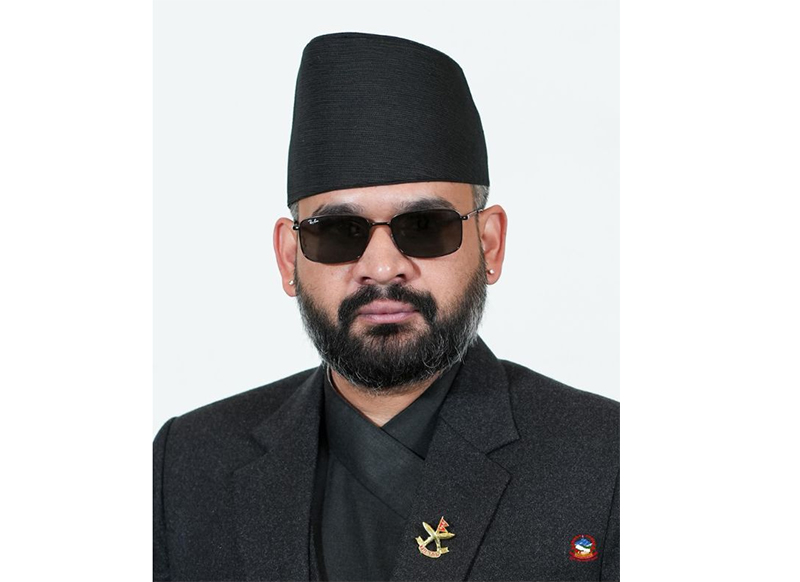
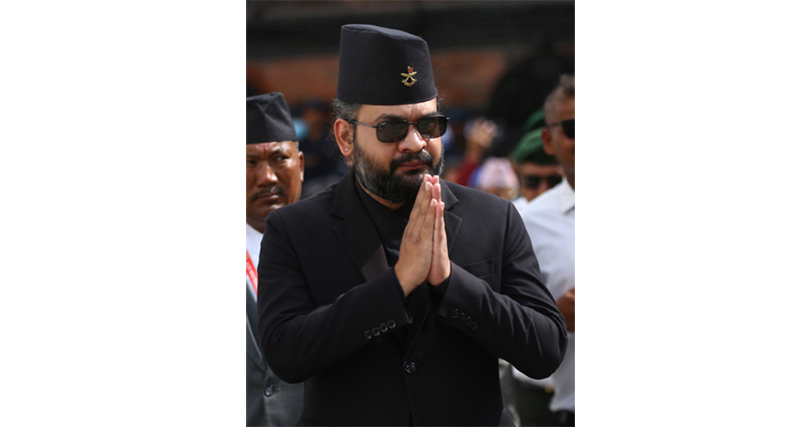
Former Minister Er. Ganesh Shah, the chief guest of the event, emphasized the importance of Nepal adopting modern instruments of international cooperation, including science diplomacy, to tackle the challenges of the 21st century. Highlighting the current state of Nepal’s foreign relations, Shah remarked, “Our international relations have grown weaker than before; therefore, Nepal seriously needs to embrace science diplomacy.”
On the occasion, Dr.Sarmila Parajuli Dhakal who was Nepali Ambassador to Spain and Oman said that Nepal is significantly lagging behind in science diplomacy and emphasized that it is high time the country takes the matter seriously.She stressed the urgent need for coordinated efforts to integrate science into foreign policy and global collaboration.
During the programme organized by the Center for Diplomacy and Development, veteran climber Phurba Tenzing Sherpa and Raj Gurung were felicitated for their recent success in summiting Mount Everest. Sherpa, who reached the world’s highest peak for the 17th time, and Gurung, the first Nepali-origin resident of Hong Kong to scale Everest, were honoured for their remarkable achievements.