Deputy Prime Minister and Finance Minister Bishnu Poudel recently on 22 July unveiled the Asian Development Bank’s (ADB) National Partnership Strategy (2025-2029) for Nepal. The National Partnership Strategy, approved by ADB’s Board of Directors, incorporates ADB’s strategic guidance for Nepal for the next five years. The document focuses on private sector-led economic growth, job creation for youth, and environmental sustainability and climate and disaster resilience.
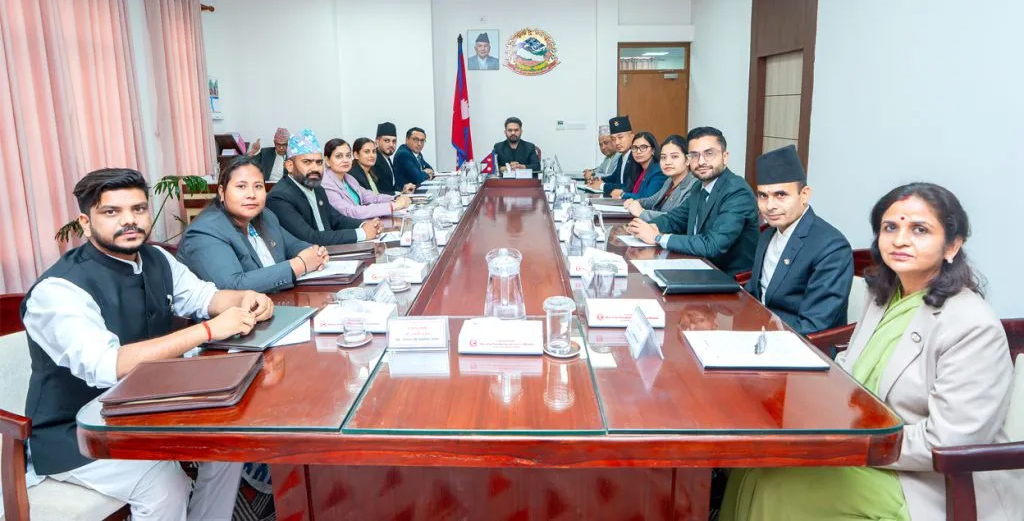
Secretary at the Ministry of Finance Ghan shyam Upadhyay, ADB Country Director for Nepal Arno Koswa, and Preeti Arora, Operations Manager for Maldives, Nepal, and Sri Lanka on behalf of the World Bank participated in the event organised to launch the strategy.
ADB has jointly prepared a National Partnership Framework (NPF) with the World Bank Group for the first time in Nepal, a milestone in the partnership-based development plan, it has been claimed.
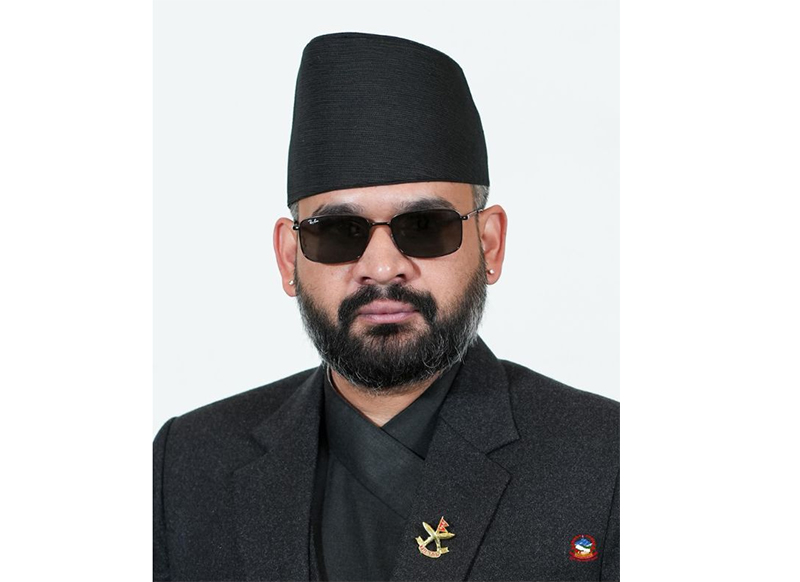
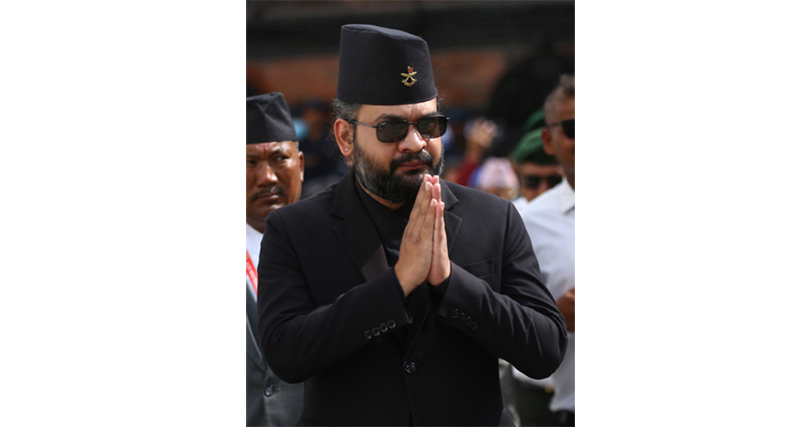
Finance Minister Poudel said that a new chapter has begun in the six-decade partnership with ADB. He said that in line with the 16th Plan, it will support inclusive economic growth, climate resilience, and quality employment creation, especially for the youth.
Koswa said that the National Partnership Strategy reflects ADB’s commitment to supporting Nepal in achieving its development goals and sets a broad agenda for inclusive, resilient, green, and employment-intensive economic growth.
“We appreciate the leadership of the Ministry of Finance and the close collaboration with the World Bank Group,” he said. “ADB stands ready to work with all stakeholders to effectively implement the National Partnership Strategy through a combination of policy-based lending and sector development programs, including investment projects linked to policy reform, institutional strengthening, and infrastructure development.”
The strategy includes cross-cutting priorities such as digital transformation, capacity development for good governance and federalism, as well as the empowerment of women and disadvantaged and vulnerable groups, which will ensure inclusive and equitable development outcomes, ADB said.
ADB Chief Economist Ian Hanson and Program Officer Srijana Rajbhandari presented the key strategic priorities and major projects of the National Partnership Strategy.
The Philippines-based multilateral lending agency stated that Nepal, classified as a developing member country with a low risk of debt distress, remains eligible for concessional ordinary capital resources lending—financing typically provided as low-interest loans, grants, or technical assistance to support national development objectives.
The selection of projects in each sector will be based on ADB’s comparative strengths, government priorities, implementation capacity, and collaboration with other development partners. The CPS aligns closely with a joint strategic approach agreed between ADB and the World Bank Group.
The partnership will focus on core sectors such as energy, transport, water and urban services, agriculture, rural development, natural resource management, and education. Cost-sharing arrangements will continue, with a ceiling of up to 80 percent for loans and grants, and 85 percent for technical assistance. ADB clarified that actual funding shares will be determined on a case-by-case basis, subject to project-specific economic and financial assessments.