World Heritage Day observed by organizing various events
The word “heritage” has a more expansive meaning and is frequently used interchangeably with the word “inheritance,” which refers to something that is passed down from one generation to another. According to the (University, 2025), an inheritance is something that has been passed down via tradition or that has been inherited from the past. It […]
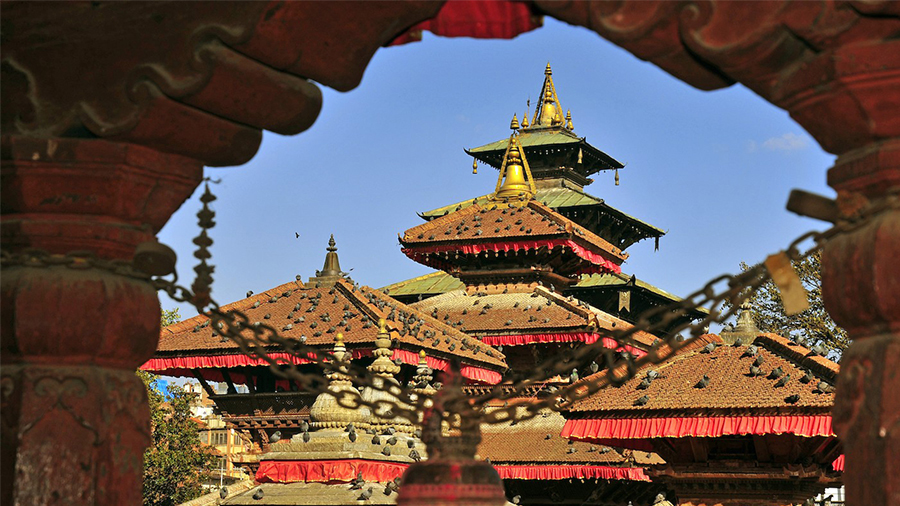
The word “heritage” has a more expansive meaning and is frequently used interchangeably with the word “inheritance,” which refers to something that is passed down from one generation to another. According to the (University, 2025), an inheritance is something that has been passed down via tradition or that has been inherited from the past. It is both material and immaterial elements passed down from previous generations. In its most literal sense, inheritance involves the transfer of physical possessions such as property, wealth, or family heirlooms after someone’s death. However, in a broader cultural and societal context, inheritance also encompasses traditions, values, beliefs, knowledge, and skills that are transmitted across generations.
According to the (University, 2025), Heritage is the legacy that the generations before us left behind. Natural, cultural, and constructed environments are all considered to be a region’s heritage. It is to the full range of inherited traditions, monuments, objects, and culture, as well as the natural and built environment. It represents the legacy of physical artefacts and intangible qualities of a community or society that are passed down from previous generations, preserved in the present, and entrusted to future generations for their benefit.
Heritage includes cultural heritage (such as languages, customs, and festivals), natural heritage (like landscapes and ecosystems), and built heritage (such as temples, palaces, and historic buildings). Some key Aspects of Heritage:
1. Tangible Cultural Heritage – Monuments, artefacts, historical buildings, manuscripts.
2. Intangible Cultural Heritage – Traditions, languages, folklore, music, rituals.
3. Natural Heritage – National parks, mountains, forests, rivers.
4. 4. Built Heritage – Man-made structures with historical or cultural value.
World Heritage Day is an international observance dedicated to:
• Promoting awareness of cultural heritage
• Protecting monuments and historical sites
• Preserving traditions and identity
World Heritage Day was observed Saturday, the18th April, 2026with the aim of raising public awareness about the conservation of cultural and natural heritage.
The theme for World Heritage Day 2026 (International Day for Monuments and Sites) is “Emergency Response for Living Heritage in contexts of Conflicts and Disasters”. Observed on April 18, this theme focuses on protecting cultural heritage sites and traditions, aiming to strengthen resilience and emergency response measures within the disaster risk management cycle.
It was proposed by ICOMOS in 1982 and approved by UNESCO in 1983.
A Heritage Walk to Hadgaun and neighbourhood was oraginsed in Kathmandu. The procession was started at Gahanapokhari and ended at Bhatbhateni Temple. Heritage experts, campaigners, social activists, artists, locals and media persons participated in the procession.
An interaction programme focusing on the cultural significance of the Handigaun area was also conducted after the walk. Prof. Dr. Sudarshan Raj Tiwari and others highlighted the value of heritage and its safe keeping on the occasion.
World Heritage Day 2026, also known as the International Day for Monuments and Sites, will be observed on 18 April 2026. This global observance highlights the importance of protecting and preserving cultural heritage, monuments, and historical sites across the world.
Some other events including a talk programme at the museum in Patan Durbar Square was also organized on the occasion of World Heritage Day on Saturday.
On the same occasion, the sacred idol of Goddess Mahagauri / Parvati, which was stolen in the past from the GawGuthi Temple complex at Maru Tole, has been restored to its original place. The statue, which was returned to Nepal 30 years ago has been preserved in the National Museum, Chhauni for a long time.
After extensive research, historical evidence and sustained efforts by the local community, the sacred idol was finally restored to her original place on Saturday.
In Nepal. The Kathmandu Valley (Hanumandhoka, Patan and Bhaktapur Durbar Squares, Changunarayan, Pashupatinath, Bouddha and Swayambhu), Lumbini, Chitwan National Park and Sagarmatha National Park are listed as the World Heritage Sites.
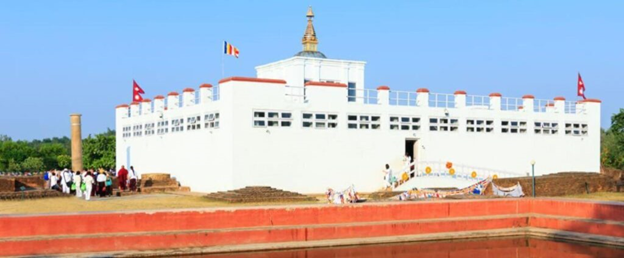
Lumbini, the birthplace of Buddha
Moreover, Nepal currently has 15 sites on its UNESCO tentative List, which are cultural or natural properties that the government intends to consider for official World Heritage nomination. The proposed sites are:
• Tilaurakot: The ancient capital of the Buddha (Kapilvastu).
• Ramagrama: The relic stupa of Lord Buddha.
• Panauti: The early medieval architectural complex.
• Lo Manthang: The medieval walled city of Upper Mustang.
• Muktinath Valley: Ancient cave architecture and Himalayan labyrinth in Mustang.
• Gorkha Palace Complex: Birthplace of modern Nepal.
• Khokana: A traditional Newari heritage village.
• Sinja Valley: The valley in Jumla associated with the origin of the Nepali language.
• Bhurti Temple Complex: Dailekh.
• Rishikesh Complex: Ruru Kshetra.
• Ram Janaki Temple: A sacred symbol of the Ramayana in Janakpur.
• Bajrayogini and Early Settlement of Sankhu.
• Medieval Settlement of Kirtipur.
• Nuwakot Palace.
• Medieval Town of Tansen.
• Outdoor Himalayan Treks +1
• Potential Natural Site Consideration:
• Rara Lake: Often highlighted for its ecological and natural heritage significance.
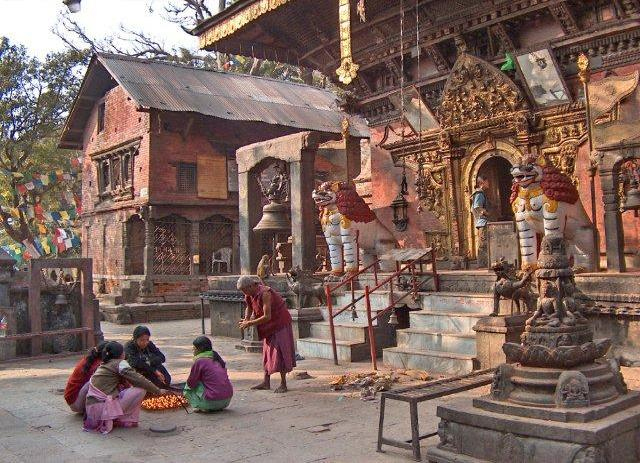
The Bajra Yogini Temple, Sankhu, Kathmandu, one of the pretigious sites waiting to be listed soon
It is noted that the Ministry of Culture, Tourism and Civil Aviation, in collaboration with the United Nations Educational, Scientific and Cultural Organization (UNESCO), is set to launch a project to list intangible cultural heritage in all seven provinces.
Under the project, at least 20 intangible cultural heritage elements will be listed, focusing on the cultural traditions of 17 communities across the seven provinces. This information was shared at an event held in the federal capital recently.
At the event, Ministry Secretary Mukunda Prasad Niraula described Nepal as a country rich in cultural traditions and underlined the need to preserve intangible heritage. “Unique cultural beliefs exist among various communities, which believe that the worship of nature and the smashing of earthenware can bring rain.”
He said that the preservation of such heritage is possible only if the concerned communities actively work towards it. Secretary Niraula also pledged to introduce necessary policies and laws to support this effort.
UNESCO Nepal representative Jaco d Toit hoped the project would help in the recognition and listing of intangible cultural heritage.
It may be noted that in a call previously announced by the government, a total of 105 applications were received, and Yomari (a traditional homemade confectionary of the Newar community) was listed.