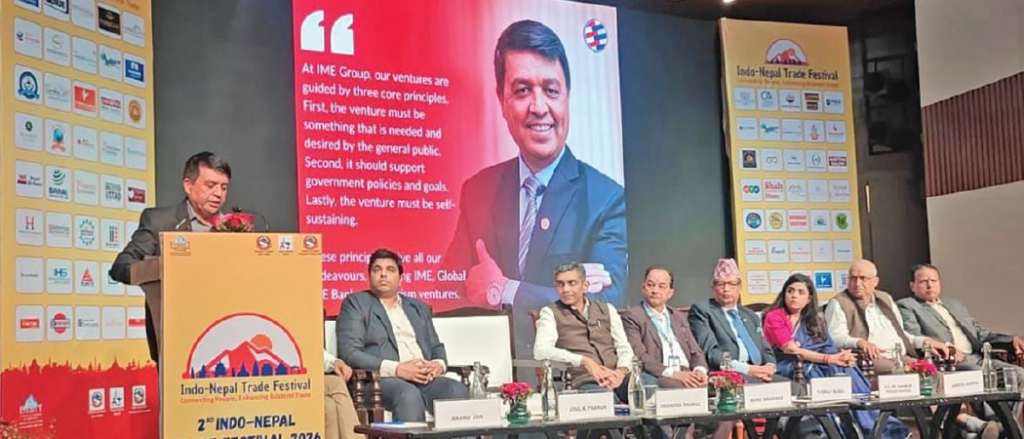
President of the Federation of Nepal Chambers of Commerce and Industry, Chandra Prasad Dhakal, has underscored the need to make Nepal-India economic cooperation more result-oriented.
Addressing the ‘Second Nepal-India Trade Festival 2026’ that began in the Indian capital New Delhi on Friday, he underlined the need for smooth customs procedures, standard coordination, strengthening of the digital trade system, and facilitation of financial access and technology transfer for small and medium-sized industries between Nepal and India.
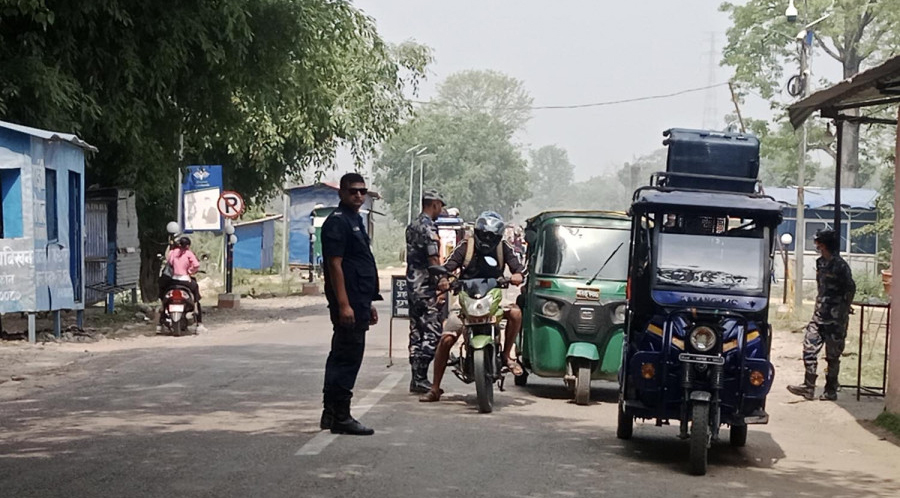
President Dhakal said that India is Nepal’s largest trading partner and major source of investment, and that open borders, cultural proximity, and people-to-people relations have made the partnership between the two countries unique.
He stressed the need to further strengthen cooperation between neighbouring countries, noting that the global economy is in a state of uncertainty and supply chain disruptions.
He expressed the view that the priority given by India’s recent federal budget to infrastructure, digital connectivity, green energy, and promotion of small and medium-sized industries would create new opportunities for Nepal as well.
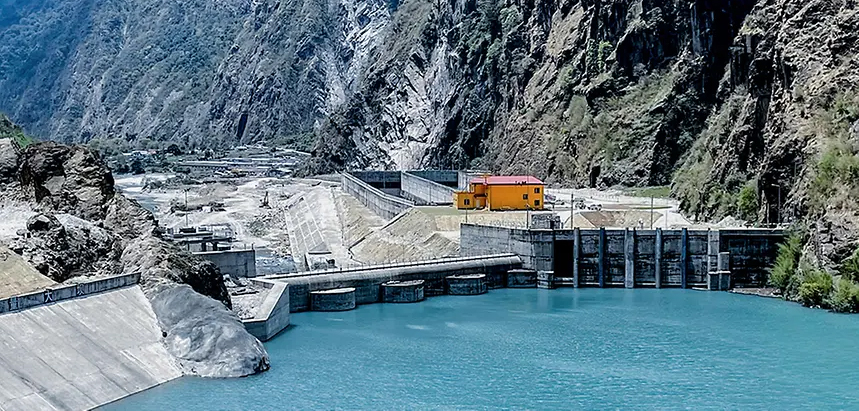
FNCCI President Dhakal said that Nepal is rich in hydropower and that electricity exports to India have started, and said that Nepal can become a reliable green energy partner of India if there is appropriate transmission line and policy stability.
Stating that Nepal presents natural beauty, adventure and spiritual destinations in the tourism sector, he said that investment opportunities are expanding in hotels, resorts and cable car projects.
“Nepal has ample potential in energy, tourism, industrial sector, special economic zone, cross-border logistics, agro-processing, pharmaceutical industry, education and health services,” he said and asked the Indian investors to invest in such sectors. Stating that Nepal’s private sector has always raised its voice in favour of political stability and economic discipline, he said that policy reforms are being carried out in Nepal to maintain investor confidence in the long term.