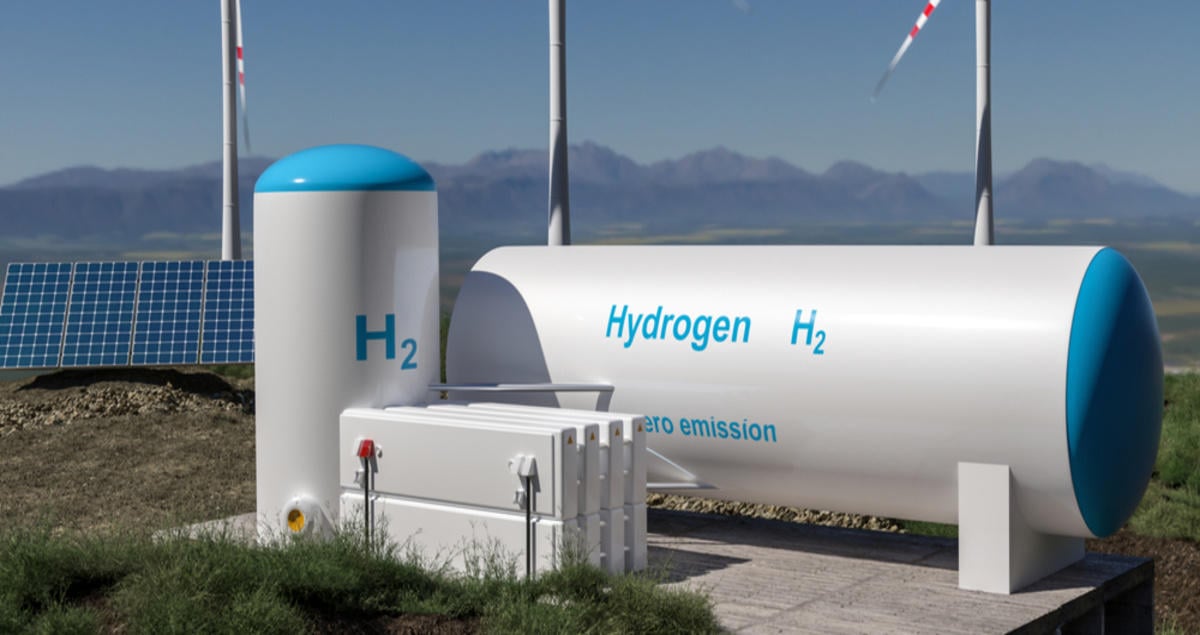
GPhilos, a Korean company specialised in hydrogen technology development has proposed to the Investment Board to establish a green hydrogen production and fuel cell plant in Nepal. The said company is known for developing power conversion systems designed to generate and store renewable energies for green hydrogen production. The company’s technology specializes in power conversion devices based on new and renewable energy, allowing power generation companies to generate and store hydrogen conveniently.
GPhilos has proposed to the board to establish a pilot plant and fuel cell plant for green hydrogen production of up to 20 MW in Nepal.
The company submitted a pre-feasibility study report to the board on April 27, 2025. Subsequently, the 63rd meeting of the board granted permission to GPhilos to conduct a detailed feasibility study.
It is learnt that approval has been granted to GPhilos to conduct a detailed feasibility study for the hydrogen testing project and the establishment of a fuel cell plant.
Currently, GPhilos is working out whether large-scale production of green hydrogen from hydropower is sufficient, potential domestic demand in sectors including transportation, industry, and energy storage, and export potential to regional markets, investment, costs, environmental and a detailed study will be conducted, including social impact, policy and legal studies, pilot project implementation, and expansion potential, and will be submitted to the board.

After conducting a detailed feasibility study, the board has also formed a committee under the coordination of the Joint Secretary (Technology) of the Investment Board to coordinate and facilitate whether it is appropriate to proceed through the Swiss Challenge. If it is deemed appropriate to proceed through the Swiss Challenge, the board will call for proposals to proceed through a competition. The project will then be advanced on a competitive basis.
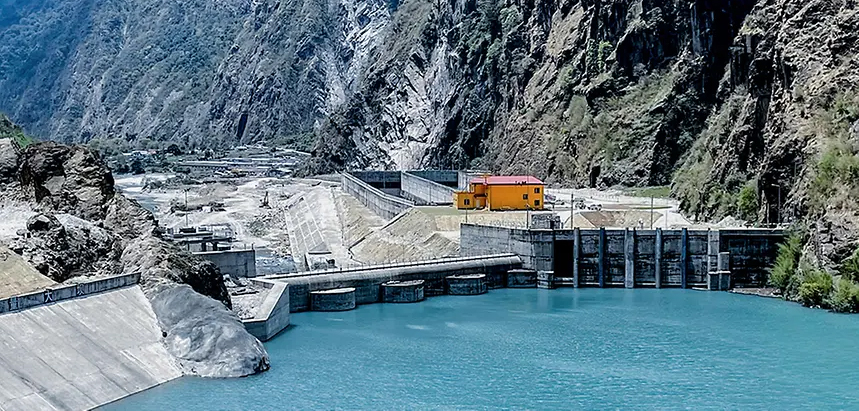
The company aims to produce green hydrogen through electrolysis, using excess electricity generated from Nepal’s abundant hydroelectric resources. The proposal states that hydrogen production will be done by splitting water molecules (H‚ O) into hydrogen (H‚ ) and oxygen (O‚ ) using an electrolyser, and that the electricity required to operate this process will be supplied through existing and under-construction hydroelectric projects.
The project has been designed as a model that can be expanded in phases. The proposal states that hydrogen production will start with a capacity of 20 megawatts initially and will be expanded further in the future as per market demand and government policy.
The company’s proposal aims to use the green hydrogen produced in industries such as fertilizer and steel factories, ammonium nitrate manufacturing, and energy storage systems, and also to export it to neighbouring countries such as India and China.
Moreover, Hydrogen is being touted as the energy of the future. Recent technological developments have given a new dimension to the production and use of hydrogen globally. The production and use of green hydrogen energy can play an important role in fulfilling Nepal’s commitment to zero carbon emissions to the international community.
The world is now moving towards replacing fossil fuels with green hydrogen. Developed countries are making huge investments in hydrogen production.
Dr. Biraj Singh Thapa, Associate Professor and Head of the Green Hydrogen Lab at Kathmandu University, opines that the demand for hydrogen will increase worldwide in the future and Nepal will be able to export hydrogen abroad at a low cost.
Nepal can generate foreign exchange by utilizing the abundant hydropower available in Nepal and using it to produce green hydrogen and produce ammonia chemical fertilizer and export its by-products.
Earlier, Kathmandu University has successfully tested hydrogen production and refueling stations by bringing the first hydrogen car to Nepal.
The country can be freed from the situation where a large amount of foreign exchange is flowing out of the country through the import of chemical fertilizers.
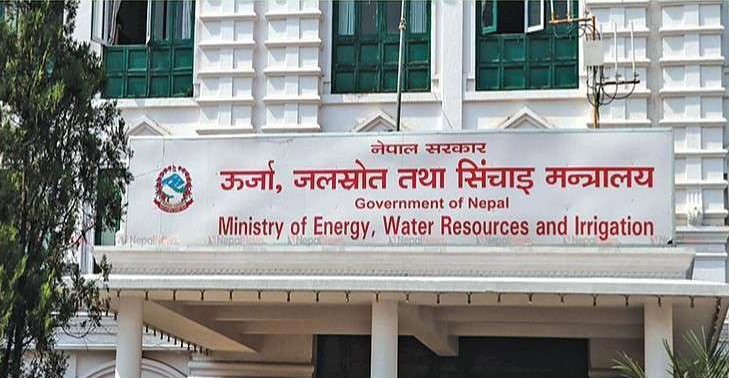
Moreover, Government of Nepal had opened up facility for commercial production of hydrogen by eliminating the need for PPA and eliminating wheeling charges. This can be instrumental for the hydrogen production to go at commercial level.
The Green Hydrogen Policy provides for a flexible tax regime similar to that of hydropower and allows hydrogen production without a Power Purchase Agreement (PPA) with the Nepal Electricity Authority. The Cabinet Meeting of the Council of Ministers held in January 2024 had paved the way for the development of Hydrogen in the country.
The policy includes a flexible tax policy similar to that of hydropower and a provision that allows hydrogen production without a PPA with the Nepal Electricity Authority. So far, there is a provision that a PPA with the authority is required to build hydropower. The arrangement has also been made in the policy. He informed that the policy also includes a provision to connect hydrogen production to government transmission lines without wheeling charges.