Alternative Energy Promotion Centre (AEPC) is going to utilise the fund generated from the carbon trade to promote renewable energy sector.
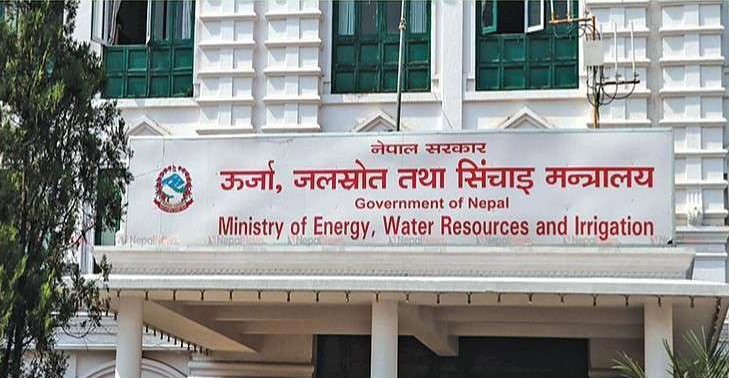
The meeting of the AEPC held last Thursday evening under the chairmanship of the Alternative Energy Development Committee and Minister of Energy, Water Resources and Irrigation Deepak Khadka has decided to allocate the revenue generated from carbon trade to promote renewable energy sector for additional programmes.
In addition, the meeting has also approved the Executive Director of the Centre to sign a memorandum of understanding with the Green Climate Fund for technical support to evaluate the impact of the Green Climate Fund program me to be operated under AEPC.
Nepal has been receiving fund from carbon trade in exchange of saving carbon from biogas plants, micro hydropower plants and improved cook stoves.
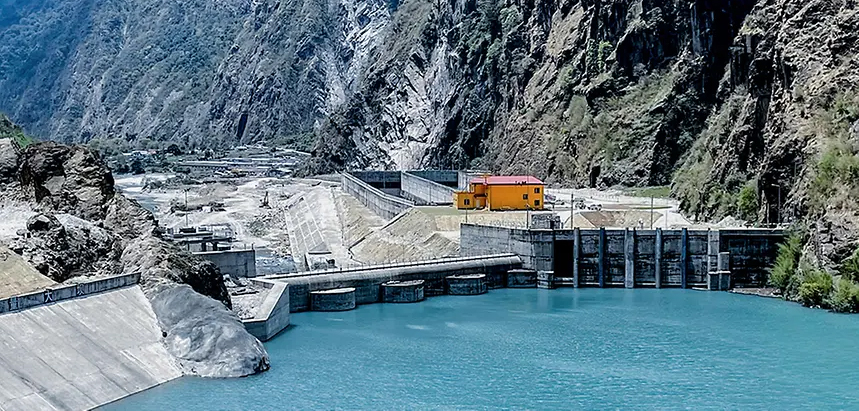
Remarkably, Nepal has made progress in producing electricity mainly from hydropower plants. So far nearly 99 per cent of the population has been accessed to electricity through national grid. The use of electricity generated by solar pv technology is also growing as grid connected solar electricity farms are growing significantly. However, wind-generated power is expected to gain ground in future. Thus, the achievements made in renewable energy sector places the country at an advantageous position to go into carbon trade market while demanding the compensation for the loss and damage in the international forums is another important move. Moreover, carbon saving from the forestry sector is also another but important product of the country which also fetches a significant fund.
It is worth to mention that carbon trading is the use of a marketplace to buy and sell credits that allow companies or other parties to emit a certain amount of carbon dioxide. It involves carbon accounting to calculate the impact of carbon emissions. This sort of trading implies how much carbon has been decreased from the atmosphere. It is indeed a cost-effective step to mitigate the impact of greenhouse gas emissions on the planet.
Experts opine that that carbon trading projects enable to mobilise resources for moderating the effects of climate change, which eventually bring benefits to the local people through the creation of green jobs. It is a good news that Nepal has fetched Rs. 4.75 billion (US$35.27 million) through carbon trading, according to AEPC.
The county has reduced a total of 6 million tonnes of carbon emissions. AEPC has been conducting eight carbon trade projects since 2011 and the amount mentioned above the revenue generated through them. Last year, carbon emission was reduced or removed by 542,000 tonnes, which fetched US$ 2.87 million. The use of renewable energy led to the reduction of 542,866 metric tonnes of carbon emissions, making an income of US$ 28.05.
The AEPC is also implementing a project on modern, efficient and climate-friendly clean cooking solutions with the financial support of Green Climate Fund and local governments. It will install 500,000 electric cook stoves, 490,000 tier 3plus improved cook stoves and 10,000 biogas plants in 150 local levels of 22 districts in Tarai region within five years, which is expected benefit 1 million households. This will significantly help reduce greenhouse gas emissions as well as improve the physical and financial health of people.
Likewise, Minister Khadka directed the centre to prepare plan to expand the clean energy technology for cooking by electricity more effectively and widely. The Thursday also has approved the proposal to celebrate ‘International Clean Energy Day’ on January 26, 2025.